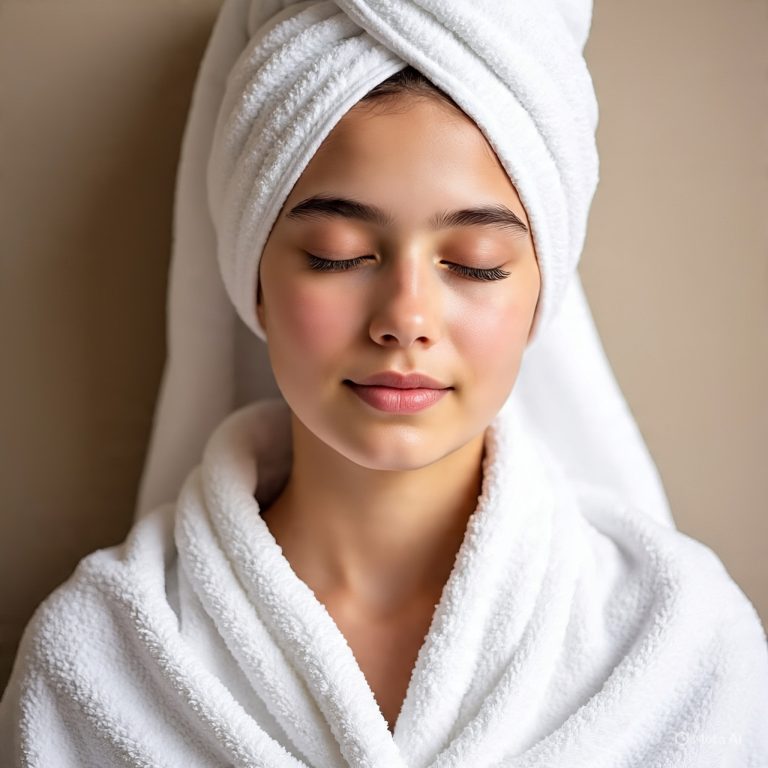
The Complete Morning & Night Skincare Routine for Pakistani Women (2026 Guide)


Skincare Routine for Pakistani Women :Pakistani women deal with a unique combination of skin challenges that most generic skincare guides fail to address. From Karachi’s relentless humidity to Lahore’s dusty winters, from Islamabad’s dry summer heat to the hormonal shifts that come with daily stress, household responsibilities, and fast-paced lives — the average Pakistani woman’s skin faces more than most routines are designed to handle.
The good news is that a well-structured morning and night skincare routine can transform your skin within four to six weeks. Not by adding more products, but by using the right products in the right order, at the right time of day. This guide is written specifically for Pakistani women — for our skin tones, our climate, our budgets, and our schedules. Whether you are a working professional, a student, or a homemaker, this routine is designed to fit into real life.
Let’s break it down step by step.
Why Pakistani Women Need a Different Skincare Approach
Most skincare content is created for Western audiences with temperate climates and lighter skin tones. Pakistani skin is predominantly medium to deep brown with warm undertones, and our most common skin concerns include:
- Sun-induced hyperpigmentation and uneven skin tone
- Oiliness in summer and dryness in winter, sometimes in the same season
- Acne and clogged pores from dust, pollution, and humidity
- Dullness caused by UV exposure, hard water, and environmental stress
- Dark circles and puffiness from irregular sleep patterns
- Premature aging due to high UV index throughout the year
A skincare routine that does not account for these realities will deliver disappointing results. The routine below is built around these specific concerns.
Step Zero: Know Your Skin Type
Before building your routine, it is essential to identify your skin type. Using the wrong products for your skin type can make even the best routine ineffective.
Oily skin: Shiny appearance, enlarged pores, prone to acne and blackheads. Very common in Pakistan due to heat and humidity.
Dry skin: Tight feeling after washing, flaky patches, dull appearance. More common in winter in northern Pakistan.
Combination skin: Oily in the T-zone (forehead, nose, chin) but normal or dry on cheeks. The most common skin type among Pakistani women.
Sensitive skin: Reacts easily to products, weather changes, and stress. May appear red, irritated, or blotchy.
Normal skin: Balanced, minimal concerns, and responds well to most products.
Once you know your skin type, you can adjust the products within this routine accordingly.
The Complete Morning Skincare Routine for Pakistani Women
Your morning routine has one primary goal: protect your skin from the day ahead. Pakistan’s climate means UV rays, air pollution, dust, and heat — all working against your skin from the moment you step outside. Your morning routine builds a shield.
Step 1: Face Wash — Start Clean
Begin every morning with a gentle face wash suited to your skin type. Overnight, your skin continues to produce oil, shed dead cells, and collect bacteria from your pillow. Washing your face in the morning removes all of this and preps a clean base for your products.
For oily and acne-prone skin: Use a gel-based or foaming cleanser with salicylic acid or niacinamide to control oil and prevent breakouts.
For dry skin: Choose a cream or milk cleanser with hydrating ingredients like hyaluronic acid or ceramides.
For combination skin: A mild, balanced face wash that cleanses without stripping works best.
For sensitive skin: Use a fragrance-free, sulfate-free gentle cleanser with soothing ingredients like centella asiatica or aloe vera.
Use lukewarm water — never hot. Hot water strips the skin’s natural oils and increases oil production throughout the day.
Step 2: Alcohol-Free Toner — Balance and Prep
After cleansing, your skin’s pH is slightly disrupted. A toner brings it back to its ideal slightly acidic level, which helps your skin function properly and absorb the next products more effectively.
For Pakistani women dealing with large pores and excess oil, look for toners containing niacinamide, witch hazel (without alcohol), rose water, or green tea extract. These ingredients calm the skin, tighten pores, and add a layer of antioxidant protection without any dryness.
Pat the toner gently onto your skin using clean hands or a cotton pad. Never rub or tug at the skin, especially around the eyes.
Step 3: Vitamin C Serum — The Brightening Step
This is one of the most important steps for Pakistani women dealing with hyperpigmentation, sun damage, and dullness. Vitamin C is a powerful antioxidant that brightens the skin, fades dark spots, neutralizes free radical damage from pollution, and stimulates collagen production.
Apply Vitamin C serum in the morning because it works synergistically with your sunscreen to boost UV protection. Choose a stable Vitamin C formula such as L-ascorbic acid at a concentration between 10% and 20%, or gentler derivatives like ascorbyl glucoside if your skin is sensitive.
Apply 3 to 4 drops on dry skin after toning and allow it to fully absorb before moving to the next step. Vitamin C serums can cause tingling on first use — this is normal and usually subsides within a few days.
Step 4: Eye Cream — Prevent Dark Circles
Dark circles and puffiness under the eyes are extremely common among Pakistani women, often linked to lack of sleep, dehydration, and genetics. An eye cream applied every morning can make a noticeable difference over time.
Look for eye creams with caffeine to reduce puffiness, vitamin K or niacinamide to brighten dark circles, and peptides to firm the delicate under-eye skin. Use your ring finger to gently tap the product around the orbital bone. Never drag or press hard on this area as the skin here is very thin.
Step 5: Moisturizer — Hydration is Non-Negotiable
Even if your skin feels oily, moisturizer is not optional. Skipping moisturizer signals to your skin that it needs to compensate, which leads to even more oil production. The key is choosing the right texture.
Oily skin: Lightweight gel or water-based moisturizer with hyaluronic acid or glycerin.
Dry skin: Rich cream moisturizer with shea butter, ceramides, or squalane.
Combination skin: Gel-cream hybrid that hydrates without clogging pores in oily areas.
Sensitive skin: Fragrance-free, minimal-ingredient moisturizer with ceramides or oat extract.
Apply moisturizer while your skin is still slightly damp from the serum. This locks in hydration and improves absorption.
Step 6: Sunscreen SPF 50+ — The Most Important Step
Sunscreen is not optional in Pakistan. With one of the highest UV indexes in the world, year-round sun exposure is the single biggest cause of premature aging, pigmentation, and skin cancer among Pakistani women. Applying SPF every single morning is the highest-impact skincare habit you can build.
Choose a broad-spectrum sunscreen with at least SPF 30, ideally SPF 50 or higher. For oily skin, look for matte-finish or gel sunscreens. For dry skin, a hydrating fluid sunscreen works better. Always apply sunscreen as the last step in your morning routine, after moisturizer.
Apply a generous amount — about a teaspoon for the face and neck combined. Reapply every 2 hours when outdoors. Many Pakistani women skip reapplication, which significantly reduces the protection they receive.
If you wear makeup, apply sunscreen before foundation. You can also use SPF-setting sprays for easy reapplication throughout the day.
The Complete Night Skincare Routine for Pakistani Women
Your nighttime routine is when real repair and transformation happen. While you sleep, your skin’s cell turnover increases, collagen production peaks, and your skin is most receptive to active ingredients. Use this window wisely.
Step 1: Makeup Removal and Double Cleanse
Never go to sleep without removing makeup, sunscreen, and the day’s pollution from your skin. Even if you did not wear makeup, SPF and environmental buildup must be properly removed — your regular face wash alone is not enough.
Start with a micellar water or gentle cleansing oil to dissolve makeup and sunscreen. Wipe away thoroughly with a soft cotton pad. Follow up immediately with your regular face wash to deep clean the skin. This is called double cleansing, and it is an essential step for Pakistani women who spend time outdoors or in polluted environments.
Step 2: Exfoliating Toner (2 to 3 Times Per Week)
Exfoliation removes dead skin cells that accumulate on the surface and make skin appear dull and rough. It also prevents clogged pores and allows your treatment serums to penetrate more effectively.
Do not use physical scrubs with rough particles — these cause micro-tears and worsen pigmentation on darker skin tones. Instead, use a chemical exfoliant: AHA (alpha hydroxy acids like glycolic or lactic acid) for surface smoothing and brightening, or BHA (salicylic acid) for deeper pore cleansing and acne control.
Use exfoliating toners only 2 to 3 nights per week. Overuse damages the skin barrier and causes sensitivity. On exfoliation nights, apply immediately after double cleansing and before your serum.
Step 3: Treatment Serum — Target Your Skin Concerns
Nighttime is the best time to apply your most active, corrective ingredients. Here is a guide based on your specific concerns:
For hyperpigmentation and dark spots: Apply a niacinamide serum (10%) or alpha arbutin serum. These are safe for daily use and very effective for Pakistani skin tones.
For anti-aging and fine lines: Retinol is the gold standard. Start with 0.025% twice a week and build up gradually. Do not use retinol on the same nights as AHA or BHA exfoliants.
For acne-prone skin: Use a salicylic acid or benzoyl peroxide treatment on active breakouts, or a niacinamide serum to regulate oil production.
For dullness and uneven texture: Incorporate a Vitamin C serum at night if you are not using retinol, or use a kojic acid serum specifically designed for brightening South Asian skin tones.
For hydration and barrier repair: A hyaluronic acid or centella asiatica serum works beautifully at night to replenish moisture lost during the day.
Choose one or two serums based on your primary concerns and stick to them for at least four to six weeks before evaluating results. Mixing too many actives leads to irritation and makes it impossible to identify what is working.
Step 4: Eye Cream — Night Formula
At night, use a slightly richer eye cream than your morning formula. Ingredients like retinol, peptides, and ceramides in eye creams work more effectively overnight when your skin is in repair mode. Gently pat around the orbital bone using your ring finger.
Step 5: Night Moisturizer or Sleeping Mask
The final step in your nighttime routine seals in all your active ingredients and supports overnight skin repair. For most Pakistani women, a slightly richer moisturizer at night than in the morning works well.
For oily skin: Stick with a lightweight gel moisturizer even at night. Your skin does not need a thick cream.
For dry skin: Use a rich night cream or sleeping mask with ingredients like shea butter, squalane, or peptides.
For combination skin: A gel-cream formula applied lightly across the face works for most nights.
Once or twice a week, replace your regular night cream with a hydrating sleeping mask for an extra boost of overnight hydration.
Weekly Skincare Additions for Pakistani Women
In addition to your daily routine, these weekly treatments address specific concerns that daily products cannot tackle on their own.
Clay or Multani Mitti Face Mask (Once or Twice Weekly)
Fuller’s Earth (Multani Mitti) has been used by Pakistani and South Asian women for generations, and modern skincare science confirms its effectiveness. Clay masks draw out impurities, absorb excess oil, and minimize the appearance of pores. Apply once or twice a week, leave on for 10 to 15 minutes, and rinse thoroughly.
Face Massage or Gua Sha (2 to 3 Times Weekly)
A 5-minute face massage using a gua sha tool or jade roller improves blood circulation, reduces puffiness, and helps products absorb more effectively. Use a few drops of face oil or serum as a base and massage upward and outward across the face and jawline.
Lip Care
Pakistani women often neglect lip care despite dealing with dry, chapped lips year-round from heat, sun, and dehydration. Apply a hydrating lip balm every night before sleep. Use a gentle sugar scrub once a week to remove dead skin and follow with a rich lip mask or petroleum jelly.
Lifestyle Habits That Support Healthy Skin
No skincare routine will deliver its full potential without the support of basic healthy habits. For Pakistani women, these are the most impactful lifestyle changes you can make:
- Drink at least 8 to 10 glasses of water daily. Dehydration shows up on the skin as dullness, fine lines, and increased oiliness.
- Sleep 7 to 9 hours every night. Skin repairs itself during deep sleep, and chronic sleep deprivation accelerates aging and increases cortisol, which worsens acne.
- Include antioxidant-rich foods in your diet — tomatoes, spinach, almonds, oranges, and green tea are all excellent for skin health.
- Reduce the intake of fried, spicy, and sugary foods, which increase inflammation and sebum production.
- Change your pillowcase at least twice a week to prevent the transfer of bacteria and oil back onto your skin.
- Clean your phone screen regularly — it touches your face constantly and carries significant bacteria.
- Manage stress through regular movement, adequate rest, and mindful breathing. High cortisol directly worsens acne, oil production, and skin sensitivity.
- Use filtered or boiled water for your face if your local water supply is hard, as mineral deposits can clog pores and disrupt skin pH.
Common Skincare Mistakes Pakistani Women Make
These are the most frequent mistakes that prevent women from seeing results despite consistently using products:
- Using fairness creams with undisclosed steroids or mercury — these cause long-term skin damage and are unfortunately still widely sold in Pakistan.
- Skipping sunscreen because they believe darker skin tones do not need it — all skin tones are at risk from UV damage.
- Over-washing the face more than twice a day, which strips the skin and worsens oiliness and sensitivity.
- Mixing incompatible active ingredients like retinol and AHA on the same night without proper knowledge.
- Switching products too frequently without allowing 4 to 6 weeks for results to show.
- Neglecting the neck and chest, which show signs of aging as early as the face.
- Using body lotions on the face, which are heavier and often contain fragrances not suitable for facial skin.
- Popping pimples, which spreads bacteria, deepens the breakout, and causes dark scars that take months to fade.
Quick Reference: Your Complete Skincare Schedule
Every Morning
- Step 1: Gentle face wash suited to your skin type
- Step 2: Alcohol-free toner to balance pH
- Step 3: Vitamin C serum for brightening and protection
- Step 4: Eye cream to prevent dark circles and puffiness
- Step 5: Oil-free or hydrating moisturizer based on skin type
- Step 6: SPF 50+ broad-spectrum sunscreen — always last
Every Night
- Step 1: Micellar water or cleansing oil to remove sunscreen and makeup
- Step 2: Gentle face wash for deep cleansing
- Step 3: Exfoliating toner — AHA or BHA (2 to 3 times per week only)
- Step 4: Treatment serum targeting your specific concern
- Step 5: Richer eye cream for overnight repair
- Step 6: Night moisturizer or sleeping mask to seal everything in
Weekly Treatments
- Clay or Multani Mitti face mask — once or twice weekly
- Gentle chemical exfoliation — 2 to 3 times per week
- Gua sha or face massage — 2 to 3 times weekly
- Lip scrub and overnight lip mask — once weekly
Frequently Asked Questions (FAQs)
Here are answers to the most common questions Pakistani women ask about their skincare routines. These are written to appear in Google’s People Also Ask and AI Overview sections.
| Q: What is the best skincare routine for Pakistani women with sensitive skin? A: Pakistani women with sensitive skin should keep their routine minimal and focus on gentle, fragrance-free products. Start with a mild, sulfate-free cleanser that does not strip the skin. Follow with a calming toner containing rose water or centella asiatica. |
| Q: How many steps should a Pakistani woman’s daily skincare routine have? A: A practical, effective skincare routine for Pakistani women does not need to be complicated. A solid morning routine requires six steps: cleanse, tone, Vitamin C serum, eye cream, moisturize, and sunscreen. |
| Q: Which skincare ingredients are best for hyperpigmentation in Pakistani skin tones? A: Hyperpigmentation and uneven skin tone are among the most common concerns for Pakistani women due to high sun exposure and post-acne marks. The most effective and safe ingredients for darker skin tones include niacinamide, which regulates melanin transfer and reduces dark spots without irritation.. |
| Q: Can Pakistani women use retinol in their nighttime skincare routine? A: Yes, Pakistani women can absolutely use retinol and it is one of the most effective anti-aging and acne-fighting ingredients available. However, it must be introduced carefully. Start with a low concentration of 0.025% or 0.05% and apply it only twice per week for the first four weeks. |
Final Thoughts
A consistent, well-structured skincare routine is one of the most effective investments a Pakistani woman can make in her long-term health and confidence. The key is not spending the most money or using the most products it is choosing the right ingredients for your skin type, applying them in the right order, and showing up for your skin every single day.
Pakistan’s climate, lifestyle, and skin concerns are unique, and your routine should reflect that. Protect yourself from the sun every morning without fail. Give your skin the nutrition and repair it needs every night. And above all, be patient real, lasting skin transformation takes time.
At Hi-Lift Skincare, we stock a carefully selected range of products formulated to work with Pakistani skin tones and climates. Explore our full skincare collection at hi-liftskincare.com to build your perfect morning and night routine.